
CSR Impact Reporting Guide: Demonstrating CSR Impact Through Effective Reports

Corporate Social Responsibility (CSR) has become a vital part of organisational strategy, especially for those committed to empowering economically weaker sections through skill development, training, and sustainable community initiatives. However, the true value of CSR lies not only in the projects undertaken but in how their impact is communicated. Effective CSR impact reports serve as a bridge between organisations and their stakeholders, showcasing measurable social outcomes and fostering transparency and trust.
This guide explores how to create impactful CSR reports that highlight real-world benefits such as placements, training numbers, and community participation. It offers practical advice for corporate CSR departments, industrial organisations, government bodies, and youth-focused initiatives aiming to demonstrate their social contributions clearly and professionally.
The Importance of Clear CSR Impact Reporting
Clear and concise CSR impact reporting is essential for several reasons:
Accountability: Organisations must demonstrate how resources are utilised and what outcomes have been achieved.
Transparency: Stakeholders, including investors, government bodies, and communities, expect honest communication about CSR efforts.
Strategic Improvement: Impact reports provide data that can inform future project planning and resource allocation.
Reputation Building: Well-documented CSR success stories enhance brand credibility and attract partnerships.
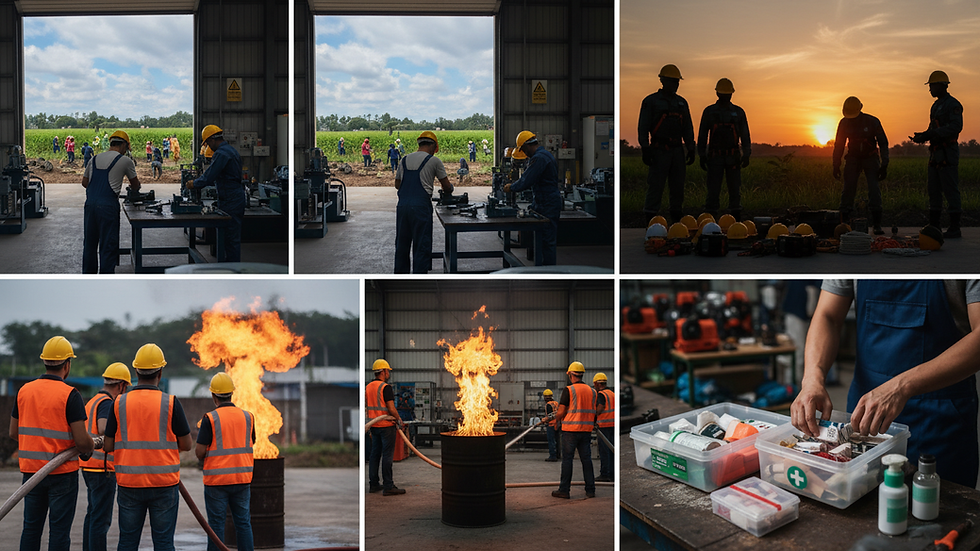
For example, a fire safety training programme targeting youth from rural areas can report the number of individuals trained, certifications awarded, and subsequent job placements. This data-driven approach not only validates the programme’s effectiveness but also inspires confidence among funding agencies and community leaders.
CSR Impact Reporting Guide: Best Practices for Effective Reports
Creating an effective CSR impact report requires a structured approach that balances detail with clarity. Here are key best practices:
1. Define Clear Objectives and Metrics
Start by outlining the goals of your CSR initiatives. Are you focusing on skill development, employment, environmental sustainability, or community health? Define specific, measurable indicators such as:
Number of individuals trained
Job placements secured
Community projects completed
Environmental impact metrics (e.g., waste reduced, trees planted)
2. Use Data to Tell a Story
Numbers alone do not convey impact. Combine quantitative data with qualitative insights such as beneficiary testimonials, case studies, and visual evidence. This approach humanises the report and demonstrates real-life empowerment.
3. Maintain Transparency and Honesty
Report both successes and challenges. Transparency about obstacles faced and lessons learned builds credibility and shows a commitment to continuous improvement.
4. Keep Language Simple and Professional
Avoid jargon and overly technical language. Use clear, concise sentences that can be understood by diverse stakeholders, including government officials and community members.
5. Incorporate Visual Elements
Charts, infographics, and photographs enhance readability and engagement. For instance, a graph showing the increase in trained fire safety professionals over time can quickly communicate progress.
6. Align with Recognised Standards
Adhering to established CSR reporting frameworks or certifications adds authority to your report. This can include global standards or region-specific guidelines relevant to your sector.
Measuring Social Outcomes: Examples and Actionable Recommendations
Measuring social outcomes is critical to demonstrating the real-world impact of CSR projects. Here are practical examples and recommendations:
Skill Development and Training
Example: A programme trains 500 youth from tribal areas in industrial safety over 12 months.
Measurement: Track attendance, certification rates, and post-training employment.
Recommendation: Implement pre- and post-training assessments to quantify skill improvements.
Employment and Placement
Example: Placement of 300 trained individuals in fire safety roles within local industries.
Measurement: Monitor job retention rates and career progression.
Recommendation: Establish partnerships with industry players to facilitate job placements and internships.
Community Participation and Sustainability
Example: Community-led environmental projects planting 10,000 trees in rural regions.
Measurement: Count trees planted, survival rates, and community involvement hours.
Recommendation: Engage local leaders and beneficiaries in project planning and reporting to ensure sustainability.
Social Impact Projects
Example: Health and safety awareness campaigns reaching 20,000 community members.
Measurement: Survey knowledge retention and behavioural changes.
Recommendation: Use follow-up surveys and focus groups to assess long-term impact.

Leveraging the leedc csr impact report for Enhanced Reporting
One valuable resource for organisations aiming to improve their CSR reporting is the leedc csr impact report. This report exemplifies how to present CSR activities with a focus on measurable outcomes, sustainability, and community empowerment. It offers a model for:
Structuring reports with clear sections on objectives, activities, and results
Using data visualisation to enhance understanding
Highlighting partnerships and stakeholder engagement
Demonstrating alignment with broader social and environmental goals
Organisations can draw inspiration from this report to refine their own CSR communication strategies, ensuring their impact is both credible and compelling.
Empowering Communities Through Transparent Reporting
Effective CSR impact reports do more than just document activities - they empower communities by showcasing how initiatives contribute to sustainable development and social upliftment. Transparent reporting encourages community participation by:
Validating the efforts of beneficiaries and local partners
Encouraging feedback and dialogue for continuous improvement
Building trust that motivates further collaboration and investment
For example, reporting on skill development programmes for youth from economically weaker sections can highlight success stories that inspire others to participate. It also helps government bodies and industrial organisations identify effective models for scaling up social impact.
Final Thoughts on Crafting Impactful CSR Reports
Creating impactful CSR reports requires a balance of professionalism, clarity, and inspiration. By focusing on measurable social outcomes such as training numbers, placements, and community projects, organisations can demonstrate their commitment to empowerment and sustainability. Using straightforward language, transparent data, and engaging visuals ensures reports are accessible and credible.
Ultimately, effective CSR impact reporting is a powerful tool for driving social change, fostering partnerships, and building a legacy of responsible corporate citizenship.


Comments