Exploring Youth CSR Models: Building Effective Youth-Centred CSR Partnerships

Corporate Social Responsibility (CSR) has evolved beyond traditional philanthropy to become a strategic tool for social development. Among the many focus areas, youth engagement stands out as a critical component. Young people represent both the present and future of communities, especially in regions where social and economic challenges are acute. Effective CSR partnerships that centre on youth can create sustainable impact by addressing education, skill development, employment, and social inclusion.
This article explores how organisations can develop and implement youth-centred CSR partnerships. It highlights practical models, common initiatives, and actionable recommendations to maximise the benefits for disadvantaged youth, women, and rural communities.
Understanding Youth CSR Models: Approaches That Work
Youth CSR models refer to structured frameworks through which corporations collaborate with non-profits, government bodies, and community groups to support young people. These models focus on empowerment rather than charity, aiming to build skills, confidence, and opportunities.
There are several approaches to youth CSR models:
Skill Development Partnerships: These involve training programmes tailored to local labour market needs. For example, a CSR partner might fund vocational training in digital literacy or sustainable agriculture for rural youth.
Mentorship and Leadership Programmes: Corporates can facilitate mentorship by their employees, helping young people develop soft skills and career guidance.
Entrepreneurship Support: Providing seed funding, business training, and market access to young entrepreneurs encourages self-reliance.
Education Support: Scholarships, infrastructure development, and learning resources improve access to quality education.
Health and Wellbeing Initiatives: Addressing mental health, nutrition, and hygiene to create a supportive environment for youth.
Environmental Engagement: Involving youth in sustainability projects fosters responsibility and community pride.
Each model requires clear objectives, community involvement, and ongoing evaluation to ensure relevance and impact.

What are the 6 common CSR initiatives?
CSR initiatives targeting youth often fall into six broad categories. These initiatives are designed to address the multifaceted challenges faced by young people, especially in disadvantaged and rural areas.
Education and Literacy
Providing access to quality education through scholarships, school infrastructure, and digital learning tools. This initiative helps reduce dropout rates and improves literacy levels.
Vocational Training and Skill Building
Equipping youth with market-relevant skills such as IT, handicrafts, agriculture, and hospitality. This increases employability and income generation.
Health and Nutrition
Implementing health camps, awareness drives, and nutrition programmes to improve physical and mental wellbeing.
Entrepreneurship and Financial Inclusion
Supporting young entrepreneurs with training, microfinance, and market linkages to foster economic independence.
Environmental Sustainability
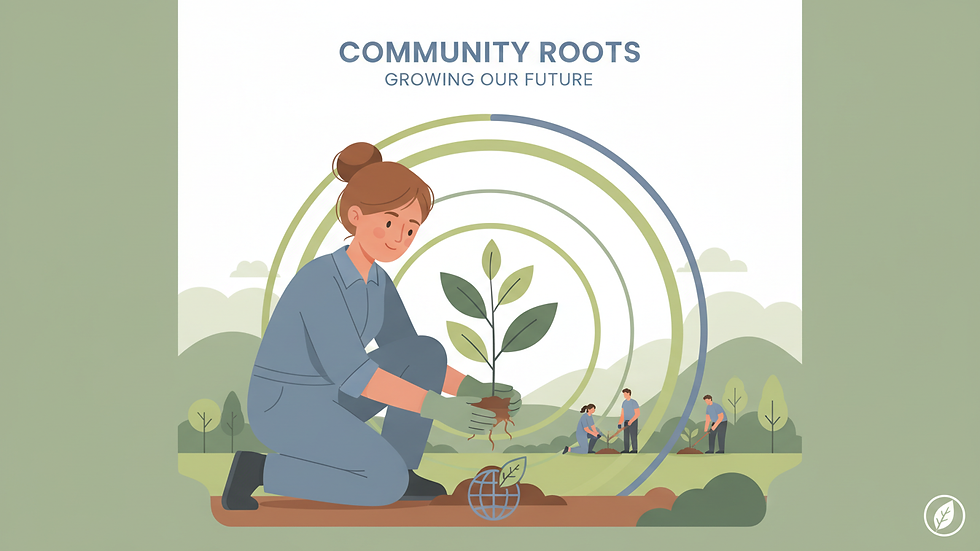
Engaging youth in tree planting, waste management, and renewable energy projects to promote environmental stewardship.
Social Inclusion and Gender Equality
Creating safe spaces and programmes that empower young women and marginalised groups, ensuring equal opportunities.
These initiatives often overlap and work best when integrated into a comprehensive youth development strategy.
Practical Examples of Youth-Centred CSR Partnerships
Several organisations have demonstrated effective youth-centred CSR partnerships by aligning their resources with community needs.
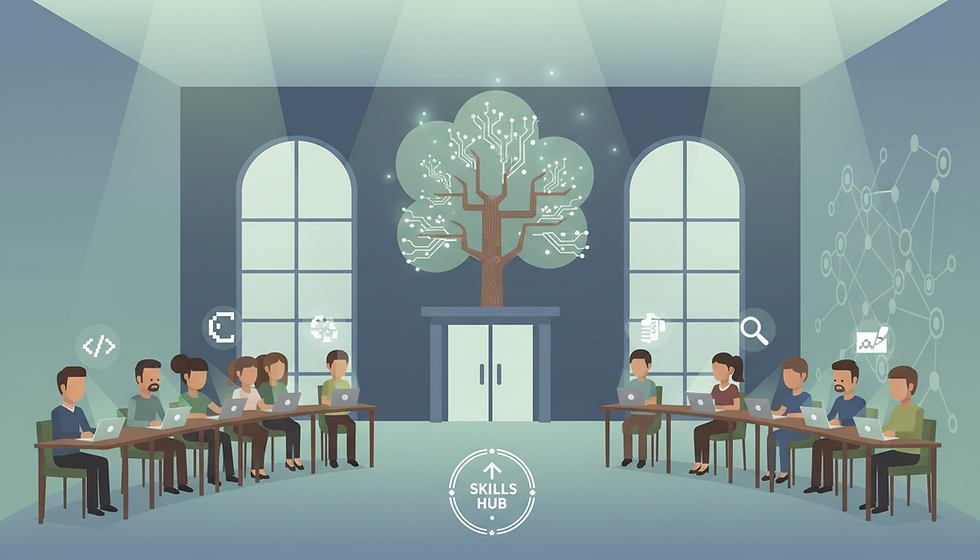
Skill-Building in Rural India: A CSR partner collaborated with a local NGO to establish a training centre offering courses in sustainable farming and digital skills. The programme included mentorship from industry professionals and job placement support. Over two years, more than 500 youth gained employment or started micro-enterprises.
Women’s Empowerment through Entrepreneurship: A corporate initiative provided seed funding and business training to young women in rural areas. The partnership also facilitated market access through local fairs and online platforms. This model helped women increase their household income and gain financial independence.
Health and Education in Urban Slums: A CSR project focused on improving health awareness and school attendance among disadvantaged youth. Mobile health clinics and after-school tutoring were key components. The initiative reduced absenteeism and improved health outcomes.
These examples highlight the importance of tailoring programmes to local contexts and involving youth in decision-making.
Key Elements for Successful Youth-Centred CSR Partnerships
To build impactful youth CSR models, organisations should consider the following elements:
Community Engagement: Involve youth and community leaders from the planning stage to ensure programmes address real needs.
Partnerships with Local Organisations: Collaborate with NGOs, educational institutions, and government agencies for expertise and reach.
Clear Objectives and Metrics: Define measurable goals such as number of youth trained, employed, or supported.
Sustainability Focus: Design programmes that can continue beyond initial funding through capacity building and local ownership.
Inclusivity: Ensure programmes are accessible to marginalised groups, including women and rural youth.
Regular Monitoring and Feedback: Use data and participant feedback to adapt and improve initiatives.
By integrating these elements, CSR partners can create meaningful and lasting change.
Expanding Impact Through Youth Centred CSR Partnerships Models
The potential of youth-centred CSR partnerships is vast, especially when aligned with broader social development goals. Organisations like LEEDC are working to expand their impact by collaborating with CSR partners to empower disadvantaged youth through skill-building and employment opportunities.
One practical step is to explore youth centred csr partnerships models that have been tested and refined in similar contexts. These models provide frameworks for collaboration, resource allocation, and impact measurement.
To maximise success, CSR partners should:
Conduct needs assessments to identify priority areas.
Develop customised training and support programmes.
Foster linkages with local employers and markets.
Promote environmental sustainability alongside social development.
Share learnings and best practices with other stakeholders.
Such partnerships not only improve individual lives but also contribute to stronger, more resilient communities.
Youth-centred CSR partnerships represent a vital strategy for addressing the challenges faced by disadvantaged youth, women, and rural communities. By focusing on empowerment, skill development, and inclusion, these partnerships can create pathways to sustainable livelihoods and social progress. Organisations committed to social development should prioritise collaboration, local engagement, and continuous learning to unlock the full potential of youth as agents of change.


Comments